
36min 4 ppl

45 min · 12 steps
Medium: 31–60 min or 7–12 steps
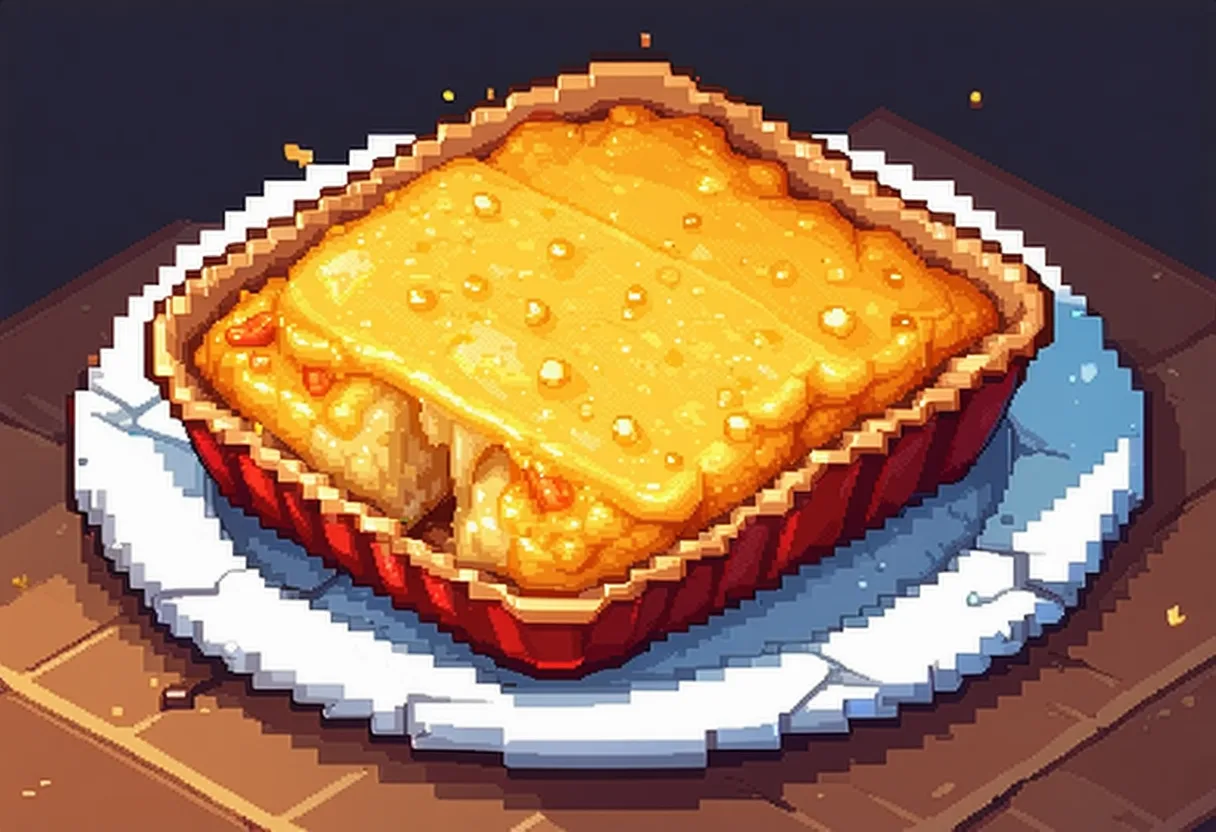
Roasting the lobster shells to build a concentrated bisque-like reduction is what separates a transcendent Thermidor from a cream sauce poured over shellfish — finished with a gruyère and parmesan gratin that caramelises under the broiler without masking the lobster beneath.
Dairy, Sulphites, Mustard, Fish, Crustaceans
Pescatarian
Fresh Produce
Fish & Seafood
Dairy & Eggs
Tins & Jars
Spices & Seasonings
Oils & Condiments
Halve the lobsters lengthways with a sharp chef's knife, starting with a swift cut through the cross mark on the head. Remove the stomach sac and intestinal tract but leave the coral and tomalley in place. Crack the claws with the back of the knife. Mince the shallots, garlic, and herbs. Combine the gruyère and parmesan in a small bowl and set aside.
Melt 30g of the butter in a large oven-safe skillet over high heat until it foams and subsides, then place the lobster halves cut-side down and cook for 3–4 minutes until the shells turn fully scarlet and the flesh is just opaque at the edges.
Transfer the lobster to a board. When cool enough to handle, extract the claw and knuckle meat and roughly chop it. Carefully remove the tail meat in one piece, slice into medallions, and return all the meat to the shell halves. Reserve the skillet with its cooking juices.
In the same skillet over medium heat, melt the remaining 30g butter and sweat the shallots for 3–4 minutes until completely soft and translucent but not coloured.
Add the garlic and cook for 1 minute until fragrant.
Add the cognac and tilt the pan to flambé, or ignite with a long match, and let the flames die out completely — about 30 seconds.
Pour in the white wine and reduce over medium-high heat for 3–4 minutes until the liquid is reduced by half and smells rounded rather than sharp.
Add the fish stock and double cream, stir to combine, and simmer over medium heat for 6–8 minutes until the sauce coats the back of a spoon thickly.
Remove the pan from the heat. Stir in the Dijon mustard, lemon juice, cayenne, paprika, tarragon, chervil, and parsley. Season generously with sea salt and white pepper. The mustard goes in off the heat to preserve its sharp, clean flavour.
Arrange the filled lobster shells on a baking tray. Spoon the sauce generously over each half, ensuring the sliced tail meat is well coated. Scatter the gruyère-parmesan mixture evenly over the top of each shell.
Position the tray under a preheated broiler/grill on its highest setting and grill for 4–5 minutes, watching constantly, until the cheese is deeply golden and bubbling in spots. Verify the lobster tail meat has reached an internal temperature of 63°C using a meat thermometer before serving.
Serve immediately in the shells with crusty bread or pommes vapeur alongside.


