74min 4 ppl

71 min · 11 steps
Hard: over 60 min or 12+ steps
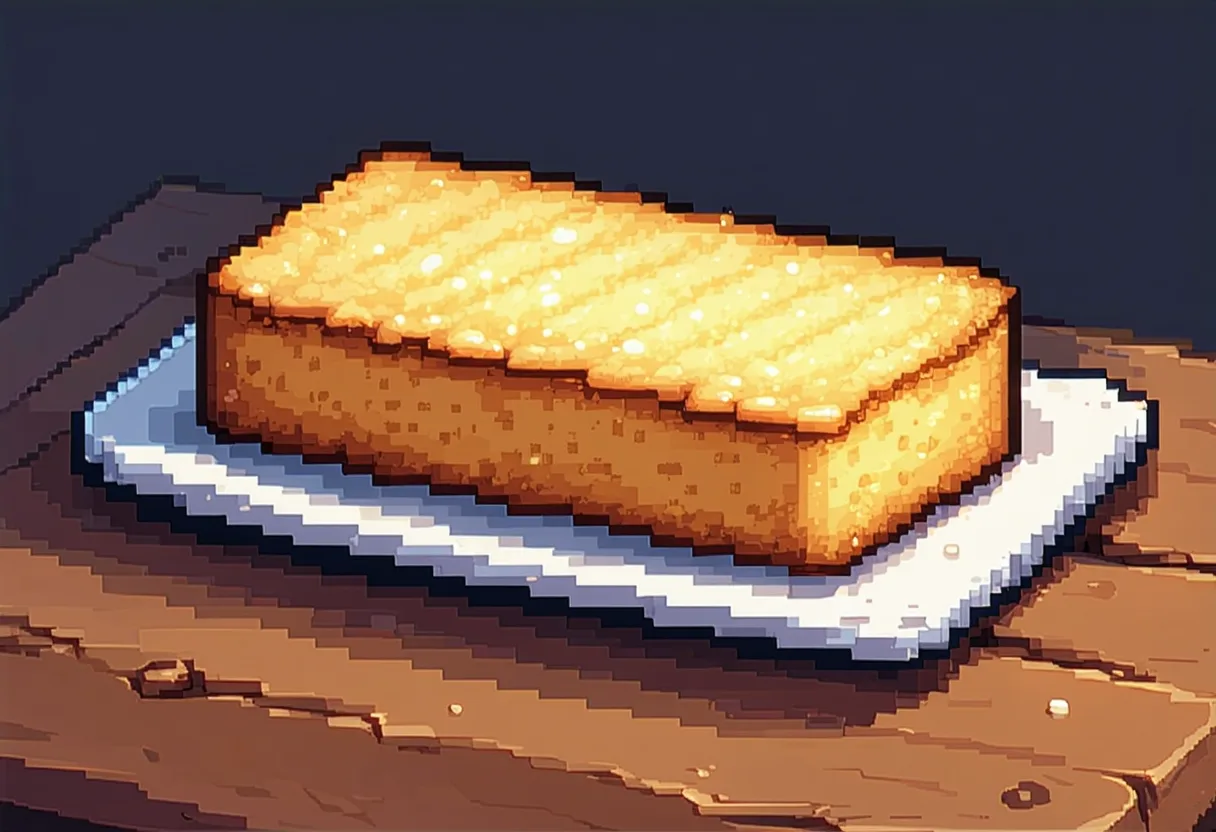
Salted Breton butter — beurre demi-sel — is the single ingredient that elevates this shortbread-like cake above all imitations; using it at room temperature and working the dough minimally preserves the sandy, melt-in-the-mouth crumb that defines an authentic gâteau Breton.
Dairy, Gluten, Eggs
Vegetarian
Dairy & Eggs
Dried Goods
Spices & Seasonings
Oils & Condiments
Cut the butter into cubes. Sift the flour into a bowl. Separate the eggs, keeping 4 yolks for the dough and 1 yolk for glazing. Reserve the extra yolk, covered, in the fridge.
Beat the butter and caster sugar together in a stand mixer fitted with the paddle attachment on medium speed until the mixture is very pale, fluffy, and almost white — about 4 minutes.
Add the 4 egg yolks to the butter mixture one at a time, beating well after each addition, then mix in the rum and vanilla extract until fully incorporated.
Add the sifted flour all at once and mix on the lowest speed just until the dough comes together and no dry streaks remain — stop the moment it is combined; overworking develops gluten and ruins the crumb.
Turn the dough onto a lightly floured surface, shape it into a thick disc, wrap it in cling film, and refrigerate for at least 2 hours, or overnight.
Preheat the oven to 180°C, or 160°C for a fan oven, or 350°F. Lightly butter a 22 cm round cake tin or tart tin with a removable base.
Press the chilled dough evenly into the tin to a depth of about 2.5 cm, smoothing the top with the back of a wet spoon.
Whisk the reserved egg yolk with the milk and brush a generous, even layer over the surface of the cake.
Use the tines of a fork to draw a traditional crosshatch or spiral pattern across the glazed surface, pressing lightly so the lines are visible but do not cut through.
Bake on the centre rack for 35–40 minutes until the top is a deep, burnished golden brown and the cake feels firm when pressed gently in the centre — it should not wobble.
Remove from the oven and leave the gâteau to cool completely in the tin on a wire rack before unmoulding; cutting it warm will cause it to crumble.