76min 4 ppl


68 min · 9 steps
Hard: over 60 min or 12+ steps
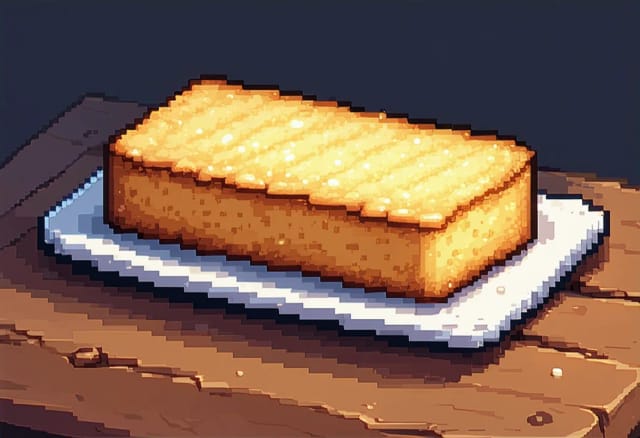
Refined coconut butter replaces the traditional salted dairy butter, delivering the same dense, crumbly-yet-rich shortbread texture that defines an authentic Gâteau Breton — the key is creaming it with a full measure of fleur de sel to honour the Breton tradition of salted fat pastry.
Gluten
Vegan
Tins & Jars
Dried Goods
Spices & Seasonings
Oils & Condiments
Measure and sift the flour. Soften the coconut butter by setting the jar in a bowl of warm water until it reaches a thick, spreadable consistency resembling soft dairy butter. Separate 3 tbsp of aquafaba into a small bowl and reserve 1 tbsp in a separate small bowl for the glaze.
In a large bowl, beat the coconut butter and caster sugar together with a wooden spoon or electric hand mixer for 3–4 minutes until the mixture is pale and slightly fluffy.
Add the 3 tbsp aquafaba and vanilla extract to the creamed mixture and beat for a further 1 minute until incorporated and smooth.
Add the sifted flour and fleur de sel to the bowl and mix with a flexible spatula, folding until a thick, uniform dough forms — do not overwork it once no streaks of flour remain.
Press the dough into a lightly oiled 20 cm round cake tin or tart tin with a removable base, smoothing the top to an even layer approximately 2–2.5 cm thick. Refrigerate the tin, uncovered, for 1 hour until the dough is firm and cold.
Preheat the oven to 170°C fan (190°C conventional). Whisk together the coconut milk, maple syrup, and reserved 1 tbsp aquafaba in the small bowl to form the glaze.
Using the tines of a fork, score a traditional crosshatch pattern across the entire surface of the chilled dough, pressing lightly to a depth of about 2 mm. Brush the surface evenly with the glaze.
Bake on the centre rack for 38–42 minutes until the top is a deep, even amber-gold and the edges have just begun to pull away from the sides of the tin — the surface should feel set and firm when lightly pressed.
Remove from the oven and leave the gâteau to cool completely in the tin on a wire rack for at least 45 minutes before unmoulding — it will firm up significantly as it cools and will crumble if cut warm.